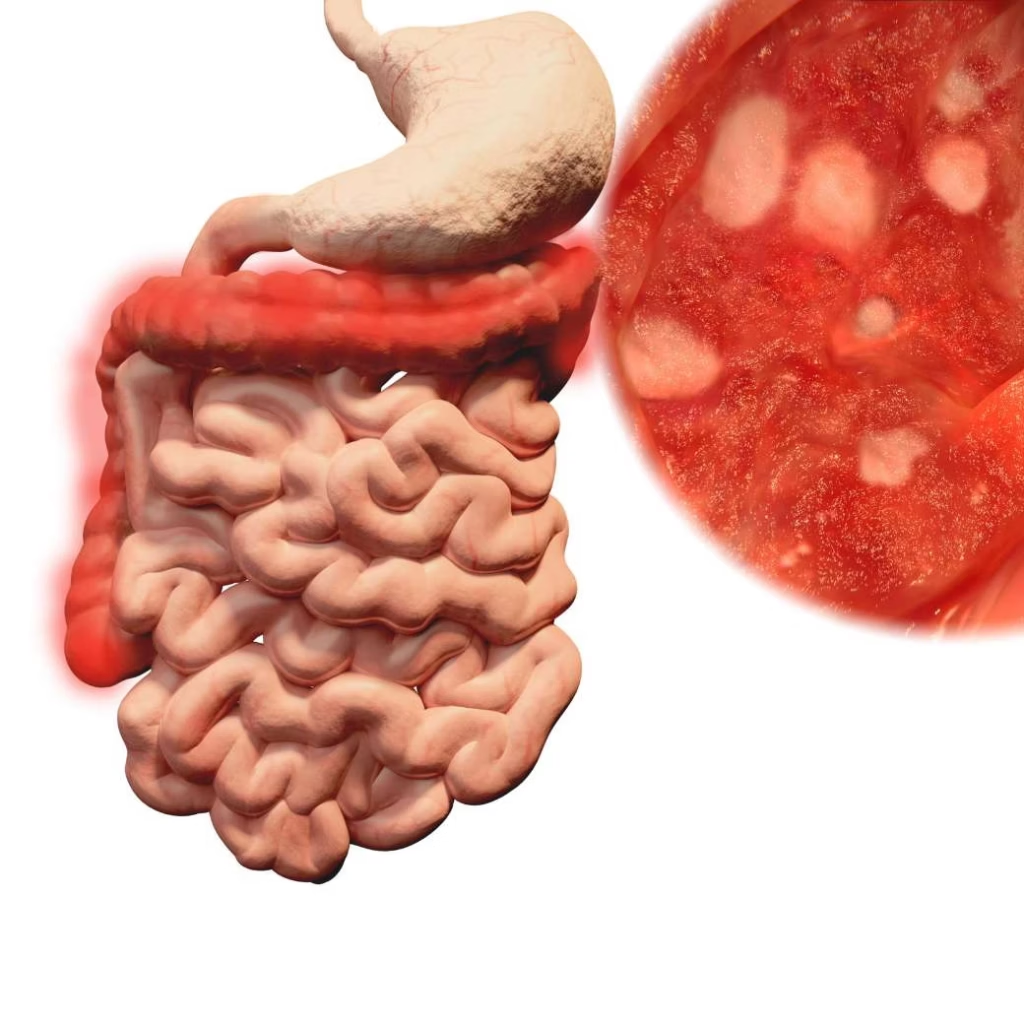
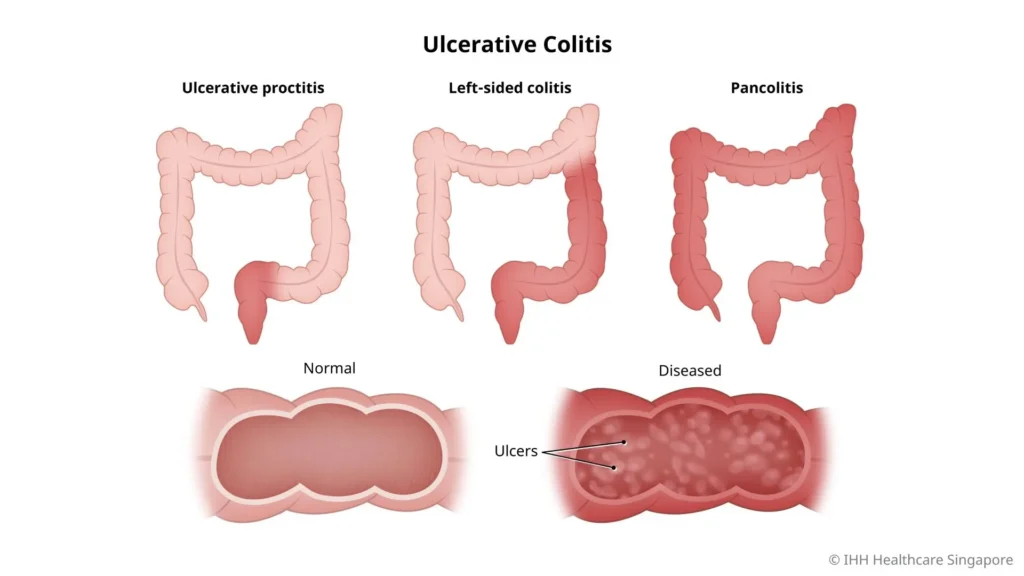
Ulcerative colitis (UC) is a chronic inflammatory bowel disease (IBD) that affects the inner lining of the large intestine (colon) and rectum. Unlike Crohn’s disease, which can affect any part of the gastrointestinal tract and penetrate deeper tissue layers, ulcerative colitis typically only affects the colon and rectum, and inflammation is usually limited to the innermost mucosal layer. The condition often begins gradually and can worsen over time, leading to symptoms that may interfere with daily life.
Ulcerative colitis is considered an autoimmune condition, where the immune system mistakenly attacks the cells lining the colon, leading to persistent inflammation and the formation of ulcers. The exact cause is unknown, but it’s believed to involve a combination of genetic, environmental, and immune-related factors. The disease often follows a pattern of flare-ups and remission, which can make it unpredictable and emotionally challenging for those living with it.
Why It Matters
Ulcerative colitis can cause long-term inflammation and ulcers in the colon. When not managed properly, it can lead to complications such as severe bleeding, perforated colon, and an increased risk of colon cancer. Early diagnosis and proper management can significantly reduce complications and improve quality of life.
Common Symptoms
Bloody diarrhea or stool with mucus
Abdominal pain and cramping
Urgency to have a bowel movement
Sensation of incomplete evacuation
Fatigue
Weight loss
Fever (during active disease)
Diagnosis
Medical history and physical examination
Blood tests (to check for anemia or inflammation)
Stool tests (to rule out infections and check for inflammation)
Colonoscopy with biopsy (to confirm diagnosis and assess severity)
Imaging tests such as CT scan or MRI (in some cases to assess the extent of complications)
Treatment Options
Lifestyle and Diet:
Adjusting fiber intake during flares
Hydration and nutritional support
Managing stress and regular physical activity
Medications: The goal of medical therapy in ulcerative colitis is to target the overactive immune system that is attacking the intestinal lining, causing inflammation and damage.
Aminosalicylates (to reduce inflammation)
Corticosteroids (for short-term use during flares)
Biologic therapies (targeted medications that block inflammation)
Surgery: When medical therapy fails to control symptoms or complications arise, surgical intervention may be necessary.
Proctocolectomy (removal of the colon and rectum) with ileostomy or ileal pouch creation.