
Irritable bowel syndrome (IBS) is a common disorder that affects the digestive system and is prevalent in 5-10% of the population. The person with IBS has a colon that is more sensitive and reactive than usual, responding strongly to stimuli that would not bother most people. This is believed to be from a critical abnormality and impaired communication and/or regulation between the gut and the brain via the nervous system in both directions (from gut to brain and brain to gut). Emotional conflict or stress may play an important role and exacerbate symptoms.

IBS is a chronic condition, meaning it can last a long time or come and go over time. It is a lifelong problem that you’ll need to manage. While only a small number of people with IBS have severe symptoms, it can be a very frustrating condition to live with. Although IBS can have a big impact on your everyday life, it does not increase your risk of colorectal cancer.
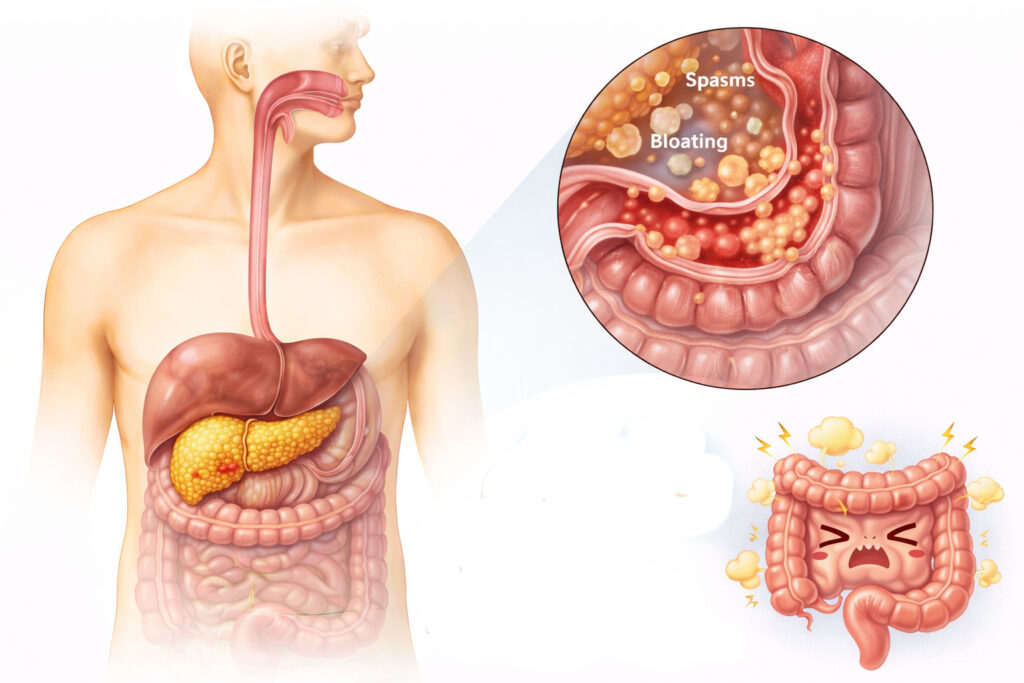
The underlying cause of irritable bowel syndrome is likely to be explained by many different factors that are unique to each individual. Certain factors have been found to ‘trigger’ attacks in susceptible individuals include:
If you experience any of these symptoms, it may indicate a more serious condition, such as colon cancer.
If you suspect you have irritable bowel syndrome, it is important to seek medical advice to make sure your symptoms aren’t caused by any other illness, such as diverticulitis, inflammatory bowel disease, celiac disease (an immune intolerance to gluten), and dietary intolerance, such as lactose intolerance.
The evaluation includes:

IBS can be successfully managed with treatments tailored to the individual. There are good treatments that can improve your symptoms and quality of life.