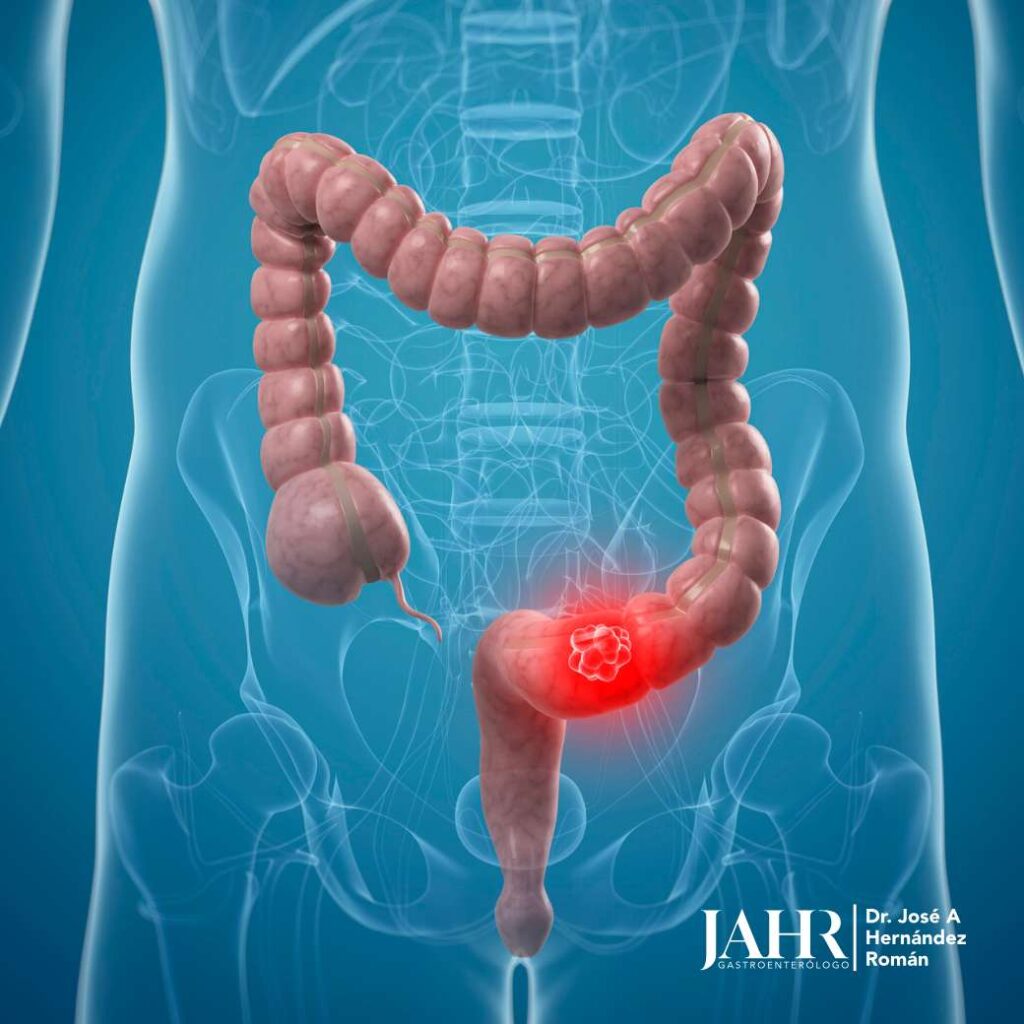
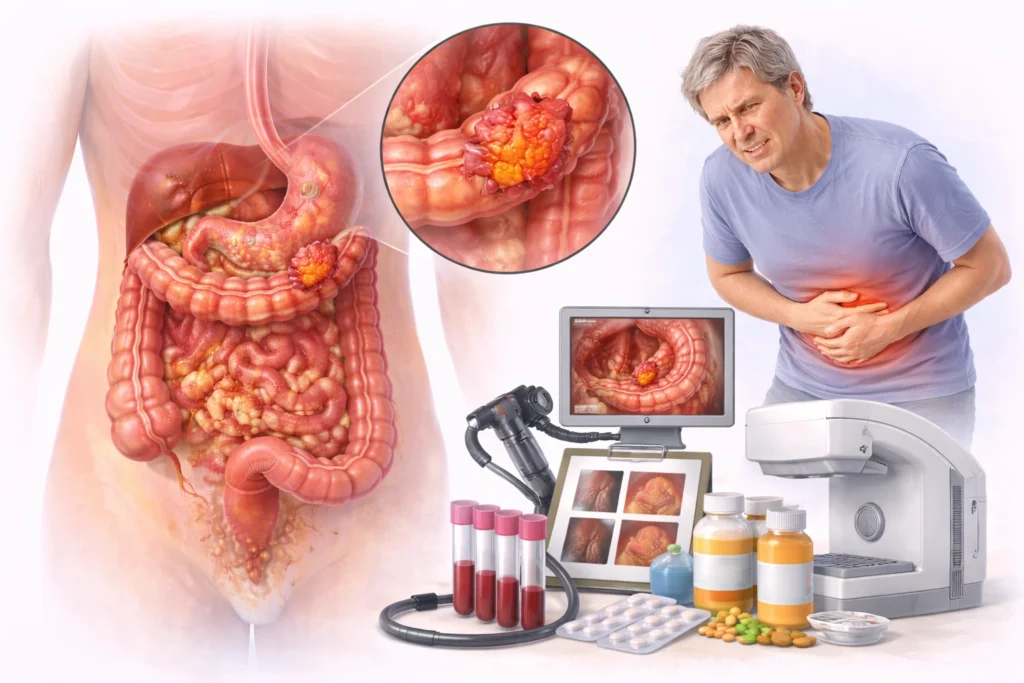
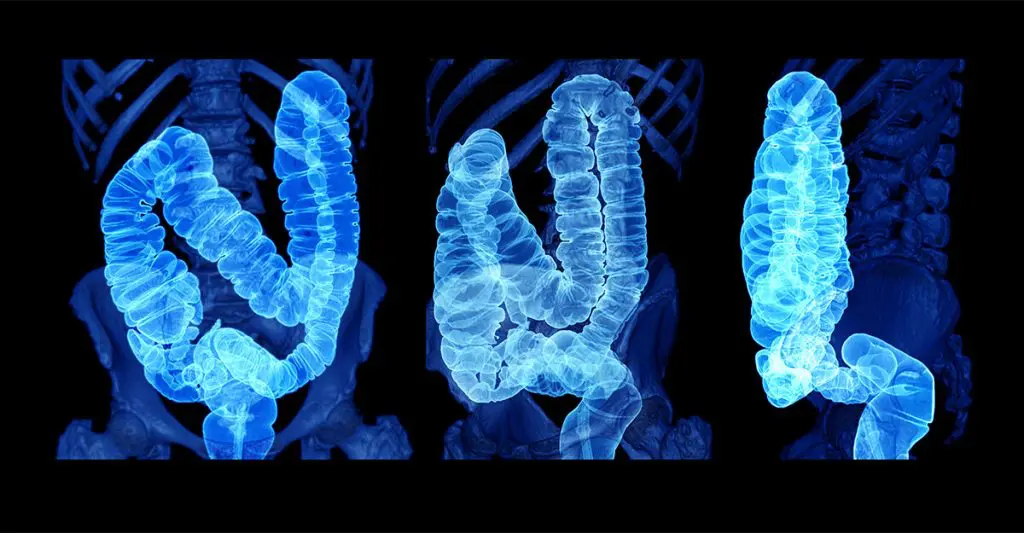
El cáncer colorrectal es una enfermedad en la que crecen células malignas (cancerosas) en los tejidos del colon o del recto, que forman los últimos 5 a 6 pies del sistema digestivo. Este cáncer se encuentra entre los tres cánceres más comunes, tanto en hombres como en mujeres en Estados Unidos y Puerto Rico. El cáncer colorrectal es prevenible, pero a pesar del éxito en las últimas décadas en la disminución de nuevos casos de cáncer colorrectal y muertes, sigue siendo la segunda causa de muerte relacionada con el cáncer en los Estados Unidos y en Puerto Rico.
¿Cómo empieza todo?
El cáncer colorrectal suele comenzar como un tejido en crecimiento llamado pólipo. Los pólipos que aparecen en el colon o el recto pueden ser benignos, pero algunos pueden crecer y convertirse en cáncer. Los pólipos colorrectales pueden tardar entre 10 y 15 años en transformarse en cáncer y no siempre provocan síntomas (heces oscuras, pérdida de peso, dolor abdominal y sangre mezclada en las heces), especialmente en etapas tempranas. La realización periódica de pruebas de detección de cáncer colorrectal es una de las herramientas más eficaces contra esta enfermedad.
¿Por qué es importante el cernimiento del cáncer colorrectal?
El cernimiento consiste en detectar problemas de salud antes de que causen síntomas. Con un cernimiento periódico del cáncer de colon, los médicos pueden detectar pólipos antes de que se conviertan en cancerosos o detectar el cáncer colorrectal en una fase temprana. Cuando el cáncer colorrectal se detecta en una fase temprana, antes de que se haya extendido, suele ser más tratable, con una tasa de supervivencia relativa a los 5 años de aproximadamente 90%. El cernimiento salva vidas.
Pruebas de detección disponibles:
Pruebas invasivas:
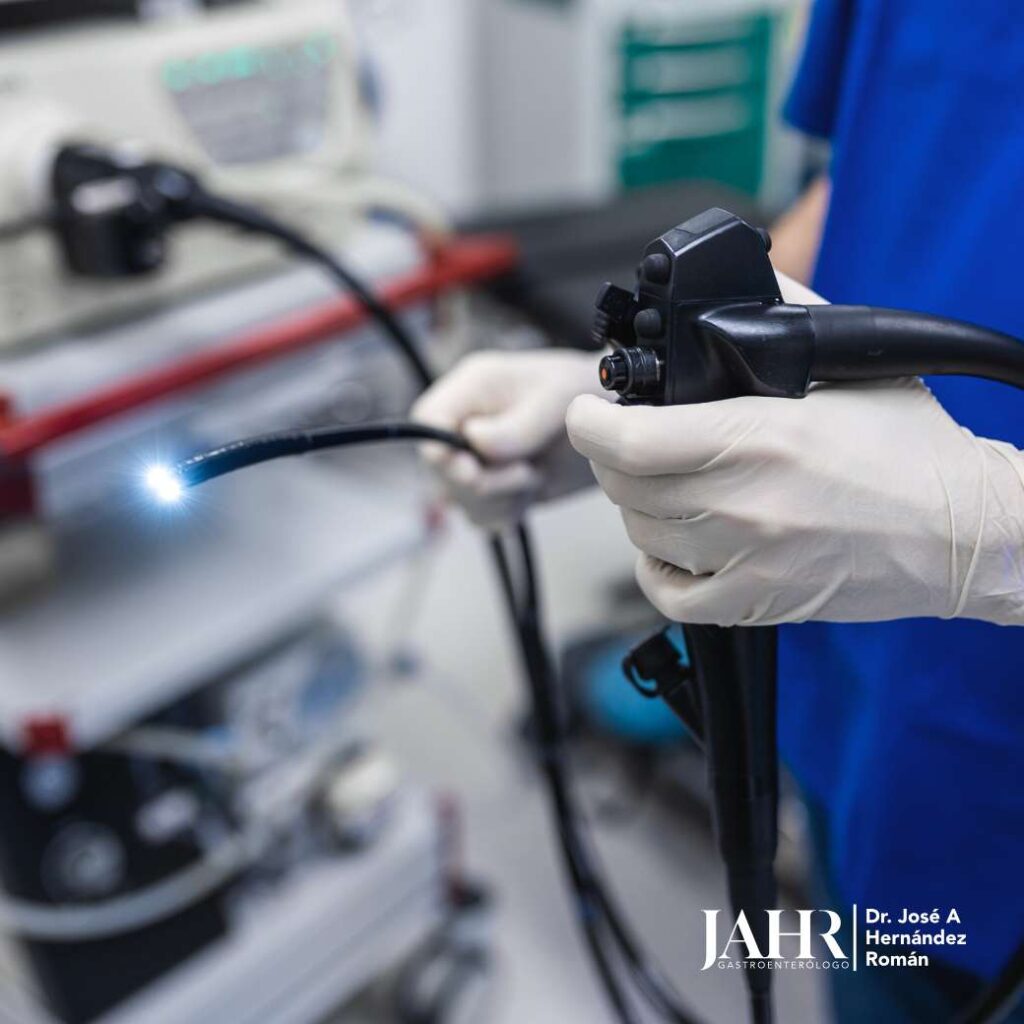
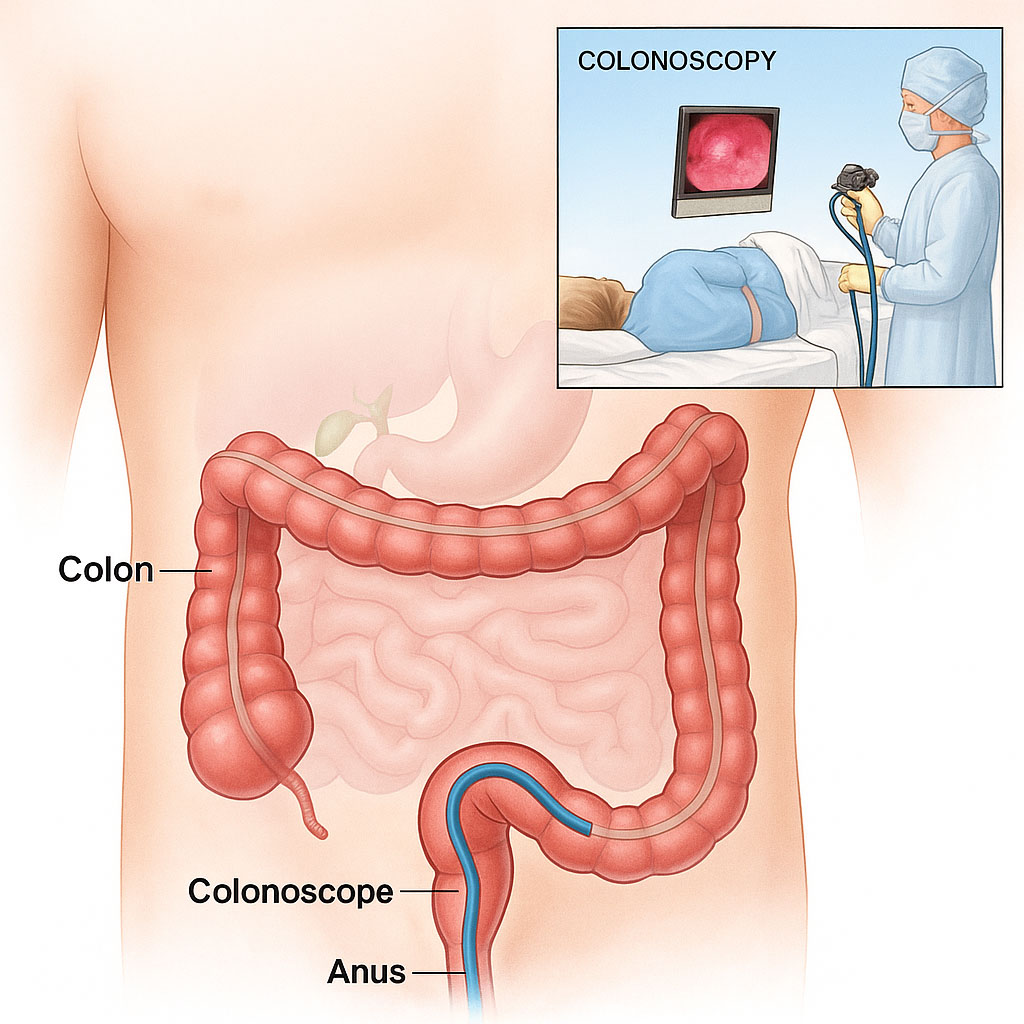
Colonoscopia: En este procedimiento, el gastroenterólogo examina toda la longitud del colon y el recto con un colonoscopio, un tubo flexible del ancho de un dedo con una luz y una pequeña cámara de vídeo en el extremo. Se introduce por el ano hasta el recto y el colon. A través del colonoscopio se pueden pasar instrumentos especiales para hacer una biopsia (tomar una muestra) o extirpar cualquier zona de aspecto sospechoso, como pólipos, si es necesario. La colonoscopia proporciona un enfoque diagnóstico y terapéutico, todo ello en 20-40 minutos.
Prueba no invasiva:
Prueba de imagen: La colonoscopia virtual es un procedimiento en el que un radiólogo utiliza rayos X y un ordenador para crear imágenes de su recto y colon desde fuera del cuerpo. A diferencia de la colonoscopia, este procedimiento es limitado para detectar pólipos de menos de 6 mm o pólipos planos. Aunque la colonografía por tomografía computarizada también es una opción de cribado, los estudios han demostrado que tiene una menor sensibilidad tanto para los pólipos como para el cáncer en comparación con la colonoscopia.
Prueba basada en las heces: La prueba FIT (prueba inmunoquímica fecal) es un método de cribado que busca la presencia de sangre en las heces. Por su parte, el ADN fecal multiobjetivo (Cologuard) busca tanto ADN anormal como sangre en las heces. Los resultados positivos de las pruebas basadas en heces pueden ser anormales aunque no se detecte cáncer. Los resultados positivos requerirán una colonoscopia para detectar pólipos y cáncer.
El cernimiento del cáncer colorrectal salva vidas.