
Conditions

Diarrhea

|
Our Blog
What is Diarrhea?

Diarrhea is a common condition characterized by loose or frequent (more than three times in one day) bowel movements, usually occurring due to a disturbance in the digestive process. It can be acute (lasting a few days and less than 2 weeks) or chronic (lasting more than four weeks) and can affect people of all ages. 

Diarrhea
Why it Matters

Diarrhea is common and often harmless, but severe or prolonged diarrhea can lead to dehydration, especially in young children and older adults. Chronic diarrhea may indicate underlying health conditions such as irritable bowel syndrome (IBS), infections, or inflammatory bowel disease (IBD), all of which can significantly impact your daily functioning and overall quality of life.
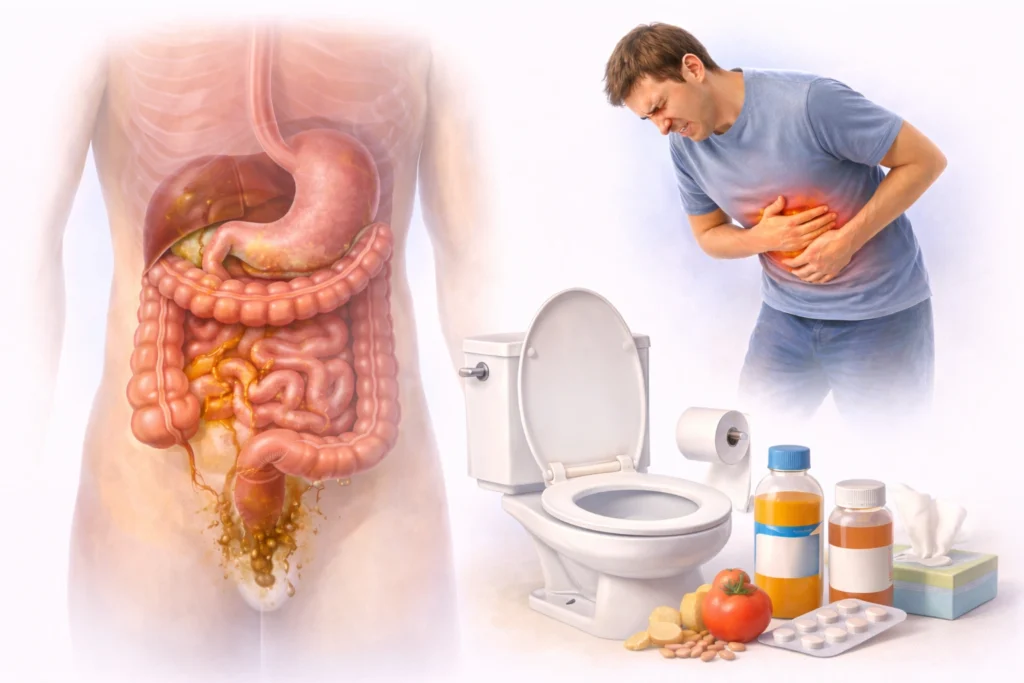
Diarrhea

Common Symptoms

The cause of diarrhea must be differentiated based on whether the patient is experiencing acute or chronic symptoms, although the distinction is not always clear-cut, as some underlying causes can present in both forms.

Acute Diarrhea:

  • Viral infections (norovirus, rotavirus)
  • Bacterial infections (E. coli, Salmonella, Campylobacter) – Often contracted through contaminated food or water.
  • Parasites (Giardia, Entamoeba histolytica) – More common in areas with poor sanitation conditions. 
  • Medications (antibiotics, laxatives, metformin, Selective serotonin reuptake inhibitors (SSRIs), magnesium-containing antacid or supplements, chemotherapy)

Chronic Diarrhea:

Signs and Symptoms

  • Loose, watery stools
  • Abdominal cramps
  • Weight loss
  • Nausea or vomiting
  • Fever
  • Blood or mucus in stools (seek medical attention)
  • Signs of dehydration (dry mouth, dizziness)

Diagnosis

  • Medical history and symptom review
  • Stool tests
  • Blood tests

For chronic diarrhea, it may additionally include:

  • Colonoscopy/Endoscopy (if chronic)
  • May include abdominal imaging (CT, MRI).
Banana, apple sauce, crackers, whitee rice are foods that are good to eat when you have diarrhea

Treatment Options

  • Acute diarrhea: It usually resolves on its own. It’s important to stay well-hydrated and gradually resume a normal diet as tolerated, while temporarily avoiding high-fat, high-sugar, spicy foods, and dairy products.
  • Medications: Anti-diarrheal agents (loperamide) can be used but with caution and guidance from your doctor. Antibiotics are not routinely needed for most cases but may be used in patients with severe symptoms, fever, confirmed bacteria or parasites, and/or who are immunocompromised.
  • Chronic diarrhea: The treatment depends on the cause identified and may include dietary changes, fiber supplement and medications such as bile acid binders, gut-directed antispasmodics, antibiotics, anti-inflammatory medications, neuromodulators, and immunosuppressants. 

Still running?

It might be more than bad takeout.