Conditions

Hemorrhoids

|
Our Blog
What are Hemorrhoids?

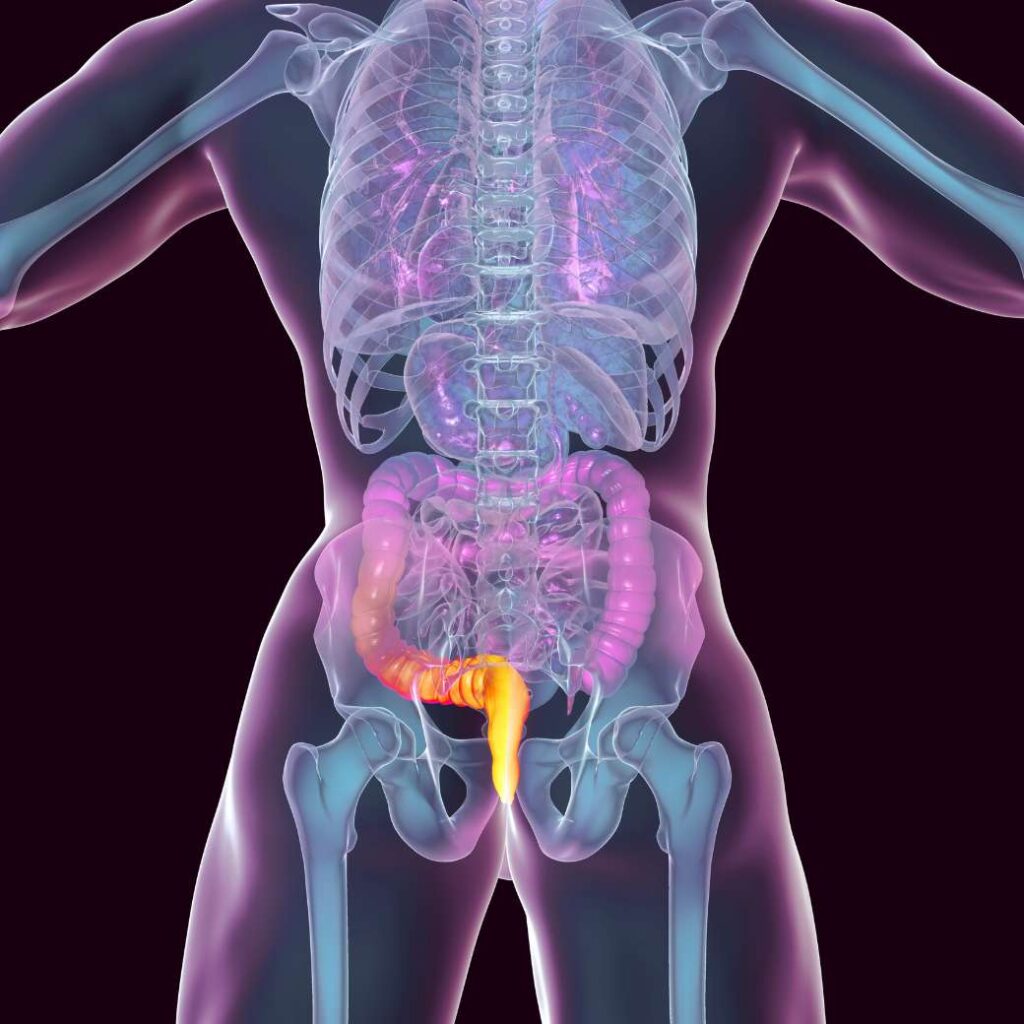
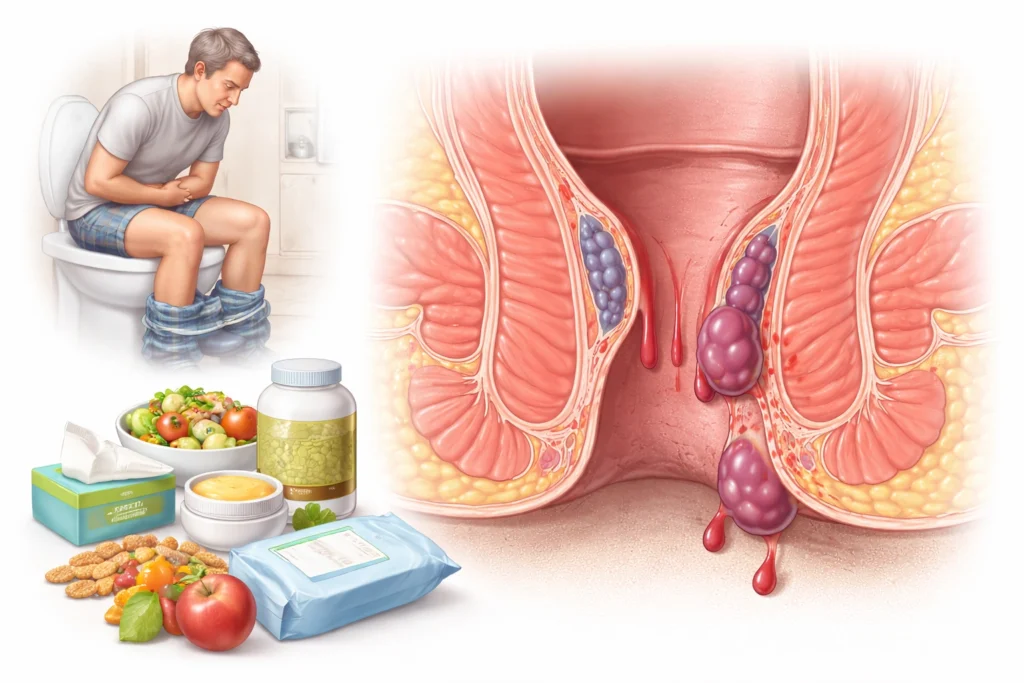
Hemorrhoids are veins present universally in healthy individuals and serve as cushions that help maintain continence. Hemorrhoids are classified based on their location in the anal canal, having internal (inside the rectum) and external counterparts  (under the skin around the anus). When hemorrhoids are enlarged, they can become symptomatic. Hemorrhoid disease is the third leading outpatient gastrointestinal diagnosis after GERD and constipation. One-third of patients undergoing screening colonoscopy will be diagnosed with enlarged hemorrhoids.
Hemorrhoids
Why It Matters

Although not usually dangerous, hemorrhoids can cause discomfort, pain, and bleeding. In some cases, they may require medical treatment.
Hemorrhoids

Common Causes

Hemorrhoid disease occurs when the supporting tissue around the veins deteriorates, leading to vein enlargement. The supporting tissue supporting hemorrhoids deteriorates naturally with age. About 75% of all people will have noticeable hemorrhoids in their lifetime, with 50% by age 50. There are potential risk factors that can accelerate and deteriorate with excessive anal pressure and stretching. 

These include:

  • Straining during bowel movements
  • Sitting for long periods of time on the toilet
  • Low fiber diet
  • Anal trauma
  • Chronic constipation
  • Chronic diarrhea
  • Pregnancy
  • Obesity
  • Strenuous lifting

How can I prevent hemorrhoid disease?

  1. Avoid straining
  2. Active lifestyle. Walking and exercising will help move your stool through your body. 
  3. High fiber diet (25 – 35 grams per day). This will help you produce a softer and easier to pass stool. 
  4. Pass your bowel movements immediately after the urge occurs. This will help prevent stools from becoming harder.

Signs and Symptoms

  • Bleeding during bowel movements (bright red blood)
  • Itching or irritation in the anal region
  • Pain or discomfort
  • Swelling around the anus
  • Fecal seepage and mucous discharge
  • A lump near the anus (may be sensitive)
  • May include painful swelling if they become thrombosed (blot clot).

Diagnosis

  • Physical exam
  • Digital rectal exam
  • Visual inspection (anoscopy, sigmoidoscopy, or colonoscopy if needed)

Treatment Options

1. Lifestyle changes: 

  • A high fiber diet helps make it easier to empty the bowel.  Achieving a total of 25 grams of fiber intake or more on a daily basis may be challenging. Speak to your doctor regarding fiber supplements. 
  • Drinking water can help the fiber (diet or supplement) work better. 
  • Combine dietary changes with exercise and an active lifestyle.
  • Relax and give yourself time to let things happen naturally. Get off the toilet as soon as you have finished.
Warm water
  • Good hygiene: It is important to prevent external hemorrhoid irritation. Some key things to consider include: 
    • Using moist toilet paper or fragrance-free wipes after each bowel movement. 
    • After bathing or showering, dry the anus gently with a soft towel.
    • Sit in 3 to 4 inches of warm water (sitz bath) 3 times a day and after bowel movements. The warm water helps with itching.

2. Medications: 

  • There are many different over the counter or prescribed medications that can help treat hemorrhoid disease. This may include a topical solution, suppositories and/or a laxative if you are suffering from constipation. Ask your doctor about these options. 

3. Band ligation: 

  • It’s a procedure that places a rubber band around the base of the hemorrhoid. This will cause that section of the hemorrhoid to fall and the scar tissue will help shrink internal hemorrhoids. This procedure does not require sedation and does not cause pain. 

4. Surgical treatment: 

  • Cutting out the hemorrhoids may be recommended depending on the severity and prolapse of hemorrhoids.