
Dyspepsia, commonly known as indigestion, refers to a group of chronic or recurrent symptoms localized to the upper abdomen, usually the epigastric region. These symptoms may include pain or discomfort, with discomfort often described as early satiety, bloating, or a sense of upper abdominal fullness. Discomfort is distinguished from pain in that it is a subjective negative sensation that may not necessarily be painful. Although the term indigestion is sometimes confused with heartburn, they are distinct conditions—though they can occur together. Common causes of dyspepsia include pregnancy, smoking, peptic ulcers, gallstones, medication use (such as NSAIDs), gastrointestinal cancer, and Helicobacter pylori infection. If your medical history and endoscopy are completely normal, yet you still experience symptoms, then the most likely explanation is functional dyspepsia.
Functional dyspepsia refers to chronic or recurrent upper abdominal symptoms (pain, fullness or early satiety) without an identifiable structural or biochemical cause. It is classified as a disorder of gut-brain interaction, meaning the symptoms arise from abnormal communication between the gastrointestinal tract and the nervous system—not from ulcers, inflammation, or mechanical blockages.
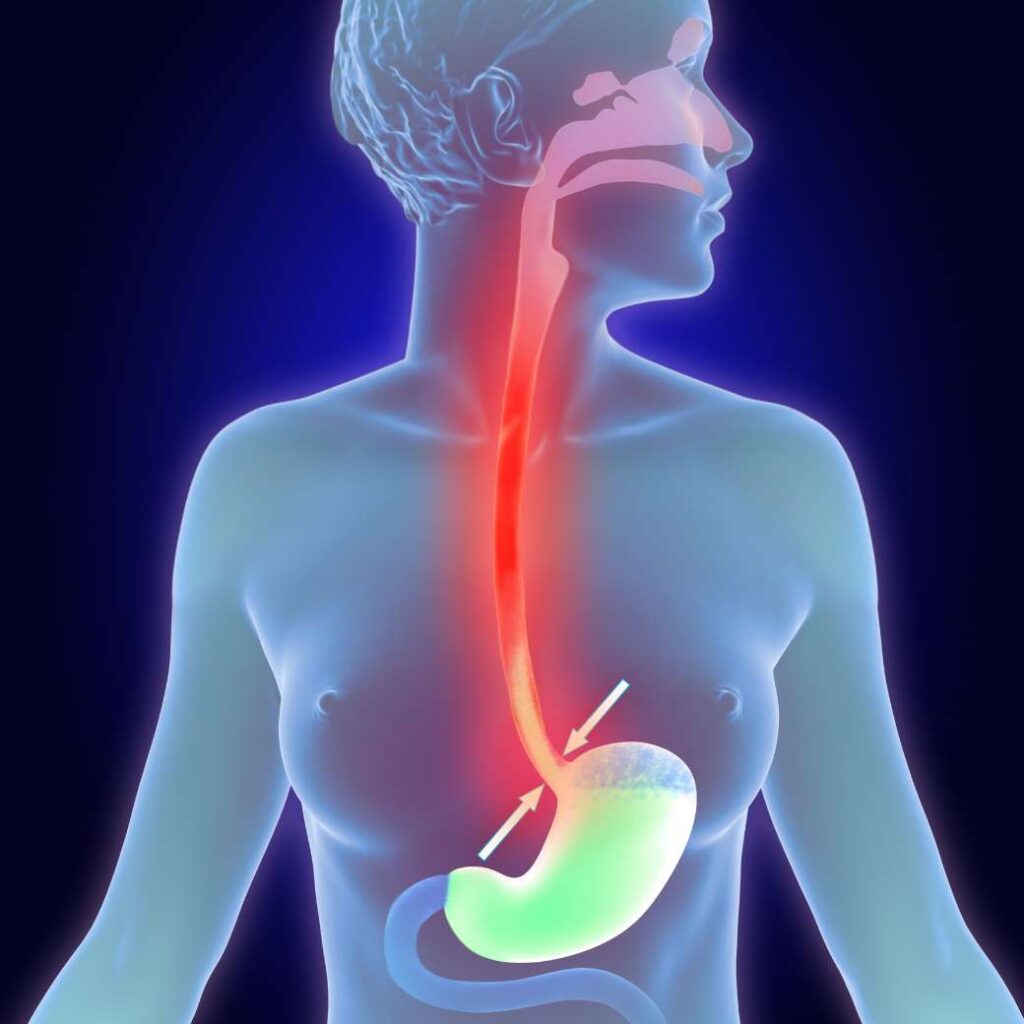
Functional dyspepsia affects around 10% of the global population and is one of the most common reasons for visits to gastroenterologists. Despite its high prevalence, it is frequently underdiagnosed or misattributed to acid reflux or other GI conditions. A comprehensive medical history, often combined with endoscopic examination, helps identify a specific cause. Accurate diagnosis is critical to guiding effective treatment and reducing unnecessary testing.
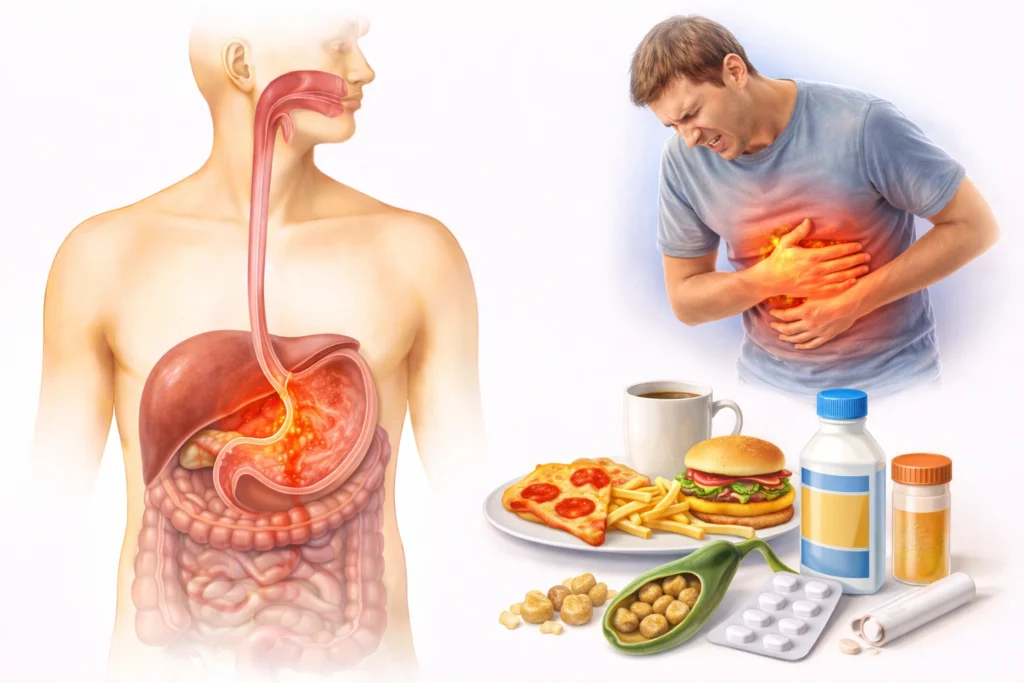
The management of dyspepsia depends on the underlying cause. If Helicobacter pylori is detected, treatment with antibiotics is necessary to eradicate the infection. When NSAID use is identified as a contributing factor, these medications should be avoided or replaced with safer alternatives. Smoking cessation is also strongly recommended, as smoking can aggravate symptoms and hinder healing. If gallstones are found to be the cause, referral to surgery may be appropriate.
Functional dyspepsia (FD) can be challenging to manage because it has no visible structural cause. Treatment focuses on relieving symptoms, improving quality of life, and addressing potential gut-brain interaction issues.
Some patients find relief through peppermint oil, ginger supplements, and acupuncture.