Conditions

Low FODMAP Diet

|
Our Blog
What is a Low FODMAP Diet?

The Low FODMAP Diet is a specialized eating plan designed to help manage symptoms of Irritable Bowel Syndrome (IBS), functional gastrointestinal disorders and other gastrointestinal disorders. FODMAPs are a group of short-chain carbohydrates and sugar alcohols that are poorly absorbed in the small intestine and can cause gas, bloating, cramping, and diarrhea in sensitive individuals.

FODMAP stands for:

  • Fermentable
  • Oligosaccharides (fructans, galacto-oligosaccharides)
  • Disaccharides (lactose)
  • Monosaccharides (excess fructose)
  • And
  • Polyols (sorbitol, mannitol)
Low FODMAP Diet
Why It Matters

A Low FODMAP Diet helps reduce symptoms like bloating, gas, abdominal pain, and altered bowel habits (diarrhea or constipation) by limiting fermentable foods. Studies suggest that up to 70% of patients experience significant symptom relief compared to those following standard dietary advice. 

Low FODMAP Diet

Common FODMAPs to Avoid (During Elimination)

Group

  1. Fruits

  2. Vegetables

  3. Dairy 

  4. Sweeteners 

  5. Legumes

  6. Other

Examples to Avoid

  1. Apples, pears, watermelon, mangoes, cherries, peaches, plums, apricots, grapes (in large amounts), raisins, and dates

  2. Onions, garlic, cauliflower, mushrooms, asparagus, artichokes, brussels sprouts, beetroot, cabbage, and celery

  3. Milk from cows, goats, or sheep, including whole, low-fat, and skim milk. Also, avoid cream, ice cream, custard, soft cheeses (like ricotta, cream cheese, cottage cheese, mascarpone, and mozzarella), yogurt (unless lactose-free), and sour cream.

  4. Sugar-free gum, candies, mints, protein bars, and diet products. Avoid high-fructose corn syrup and honey

  5. Lentils, chickpeas, kidney beans, black beans, navy beans, and peas

  6. Baked goods made with wheat, rye, and barley—such as regular bread, pasta, and crackers, soybeans, and baked beans

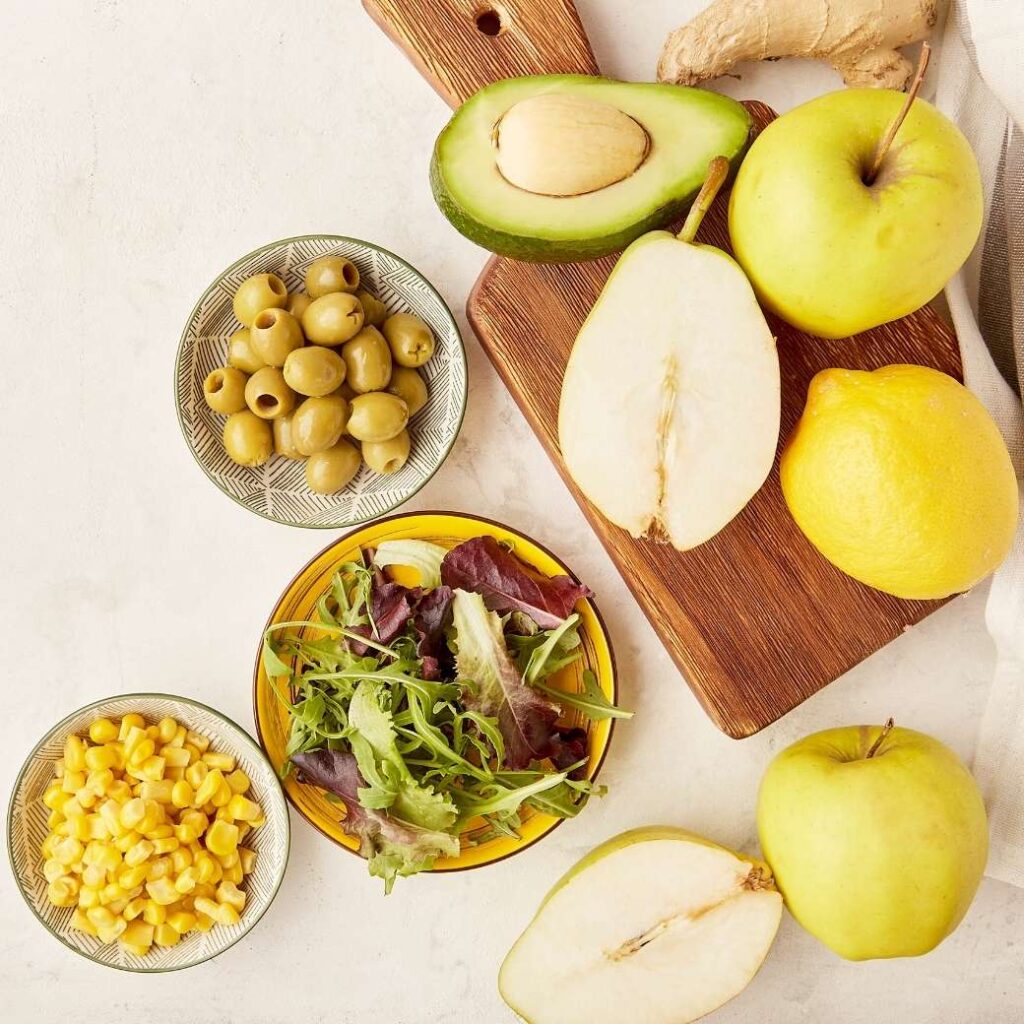
Low FODMAP-Friendly Alternatives

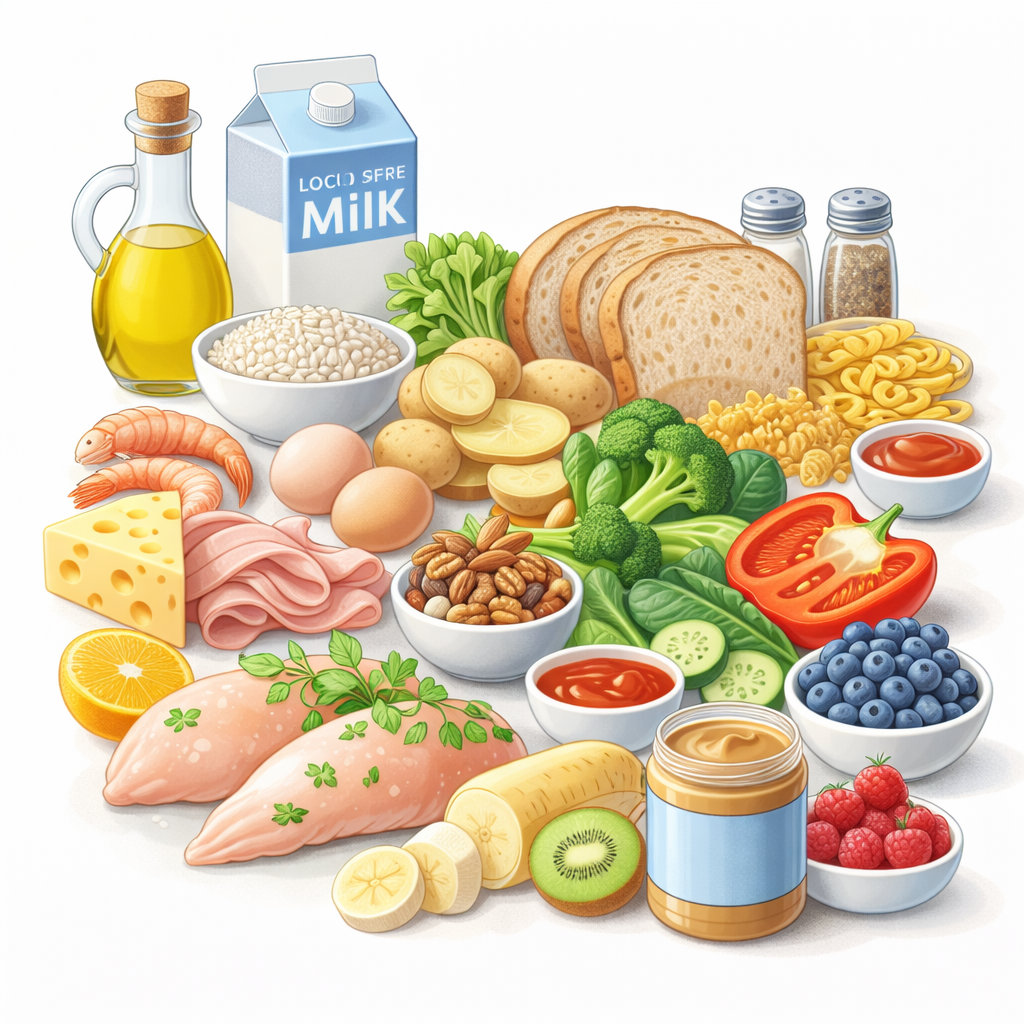
  • Proteins: Eggs, meat, poultry, tofu

  • Grains: Rice, oats, quinoa, sourdough bread

  • Fruits: Bananas, blueberries, kiwi, strawberries

  • Vegetables: Carrots, spinach, zucchini, eggplant

  • Dairy alternatives: Lactose-free milk, almond milk, hard cheeses like cheddar, Parmesan, and Swiss are lower in lactose and often tolerated in small amounts

How the Diet Works

  1. Elimination Phase (2–6 weeks): Remove all high-FODMAP foods to assess symptom improvement.
  2. Reintroduction Phase: Gradually reintroduce foods one group at a time to identify specific triggers.
  3. Maintenance Phase: Build a personalized diet based on tolerated foods.

Important Notes

  • It’s not a lifelong diet.
  • It should be done under the guidance of a doctor or dietitian.
  • Not meant for weight loss
Low FODMAP foods