A low residue diet limits the amount of fiber and other foods that leave undigested material in the colon. The goal is to reduce the volume and frequency of bowel movements, giving the digestive system time to rest and heal — especially after surgery, during flare-ups of conditions like diverticulitis, Crohn’s disease, or ulcerative colitis, or before/after colon procedures.
“Residue” refers to undigested food, fiber, and other substances that remain in the intestines and are eliminated in stool. This diet is typically short-term and medically supervised.
Why It Matters
By limiting residue, this diet helps ease abdominal discomfort, reduce gas and bloating, and prevent intestinal blockages. It’s often prescribed when the bowel needs a break — but it’s not meant for long-term nutritional management.
Common Uses
After GI surgery
During flare-ups of IBD (Crohn’s disease or ulcerative colitis)
Recovery from recent diverticulitis episode
Evidence of strictures, fistulas, or partial bowel obstructions
Before colonoscopy
Key Guidelines
Limit fiber: Less than 20 grams per day
Drink plenty of fluids to prevent constipation
Sample Foods
Allowed
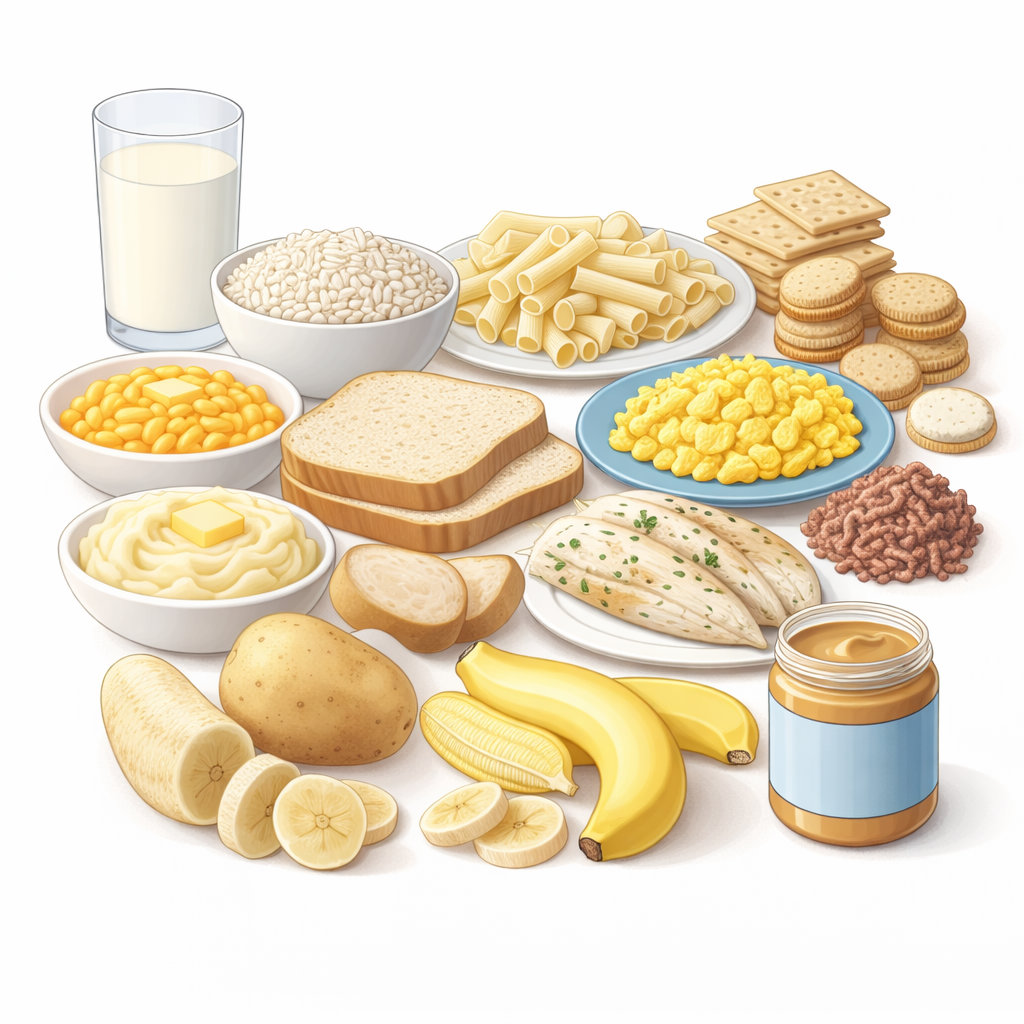
White bread, plain bagels
Canned peaches (peeled)
Cooked carrots (no skins)
Lean protein: Eggs, poultry, fish
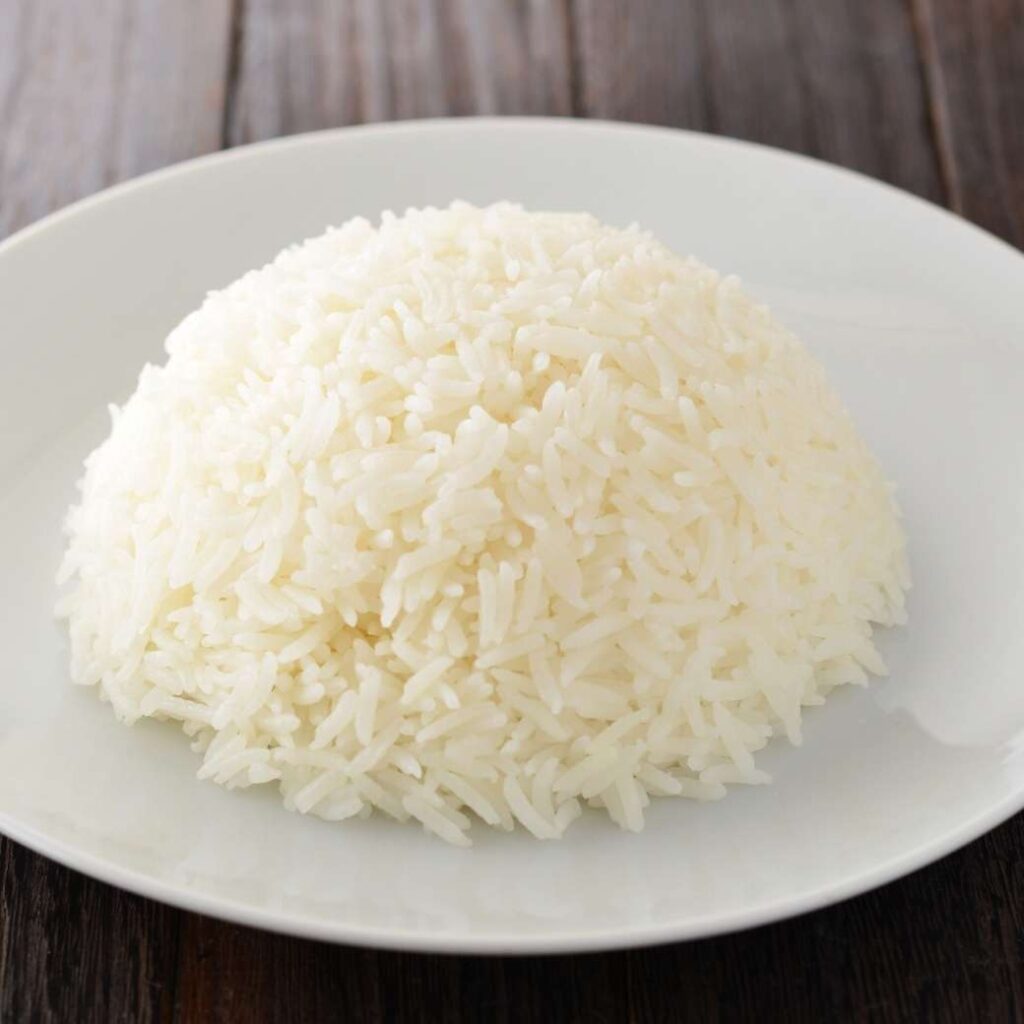
Plain pasta or white rice
Avoid
Whole grain bread, brown rice
Raw apples, berries with seeds
Corn, broccoli, leafy greens
Fatty meats, processed sausage
Legumes, nuts, seeds
Risks and Considerations
Not suitable for long-term use due to low fiber and nutrient intake. Chronic insufficient fiber intake is discouraged as it has been linked to higher rates of cardiovascular disease, type 2 diabetes, obesity, diverticular disease, and colorectal cancer.
Should only be followed under the guidance of a healthcare provider.
Transitioning back to a normal diet should be gradual to avoid digestive distress.