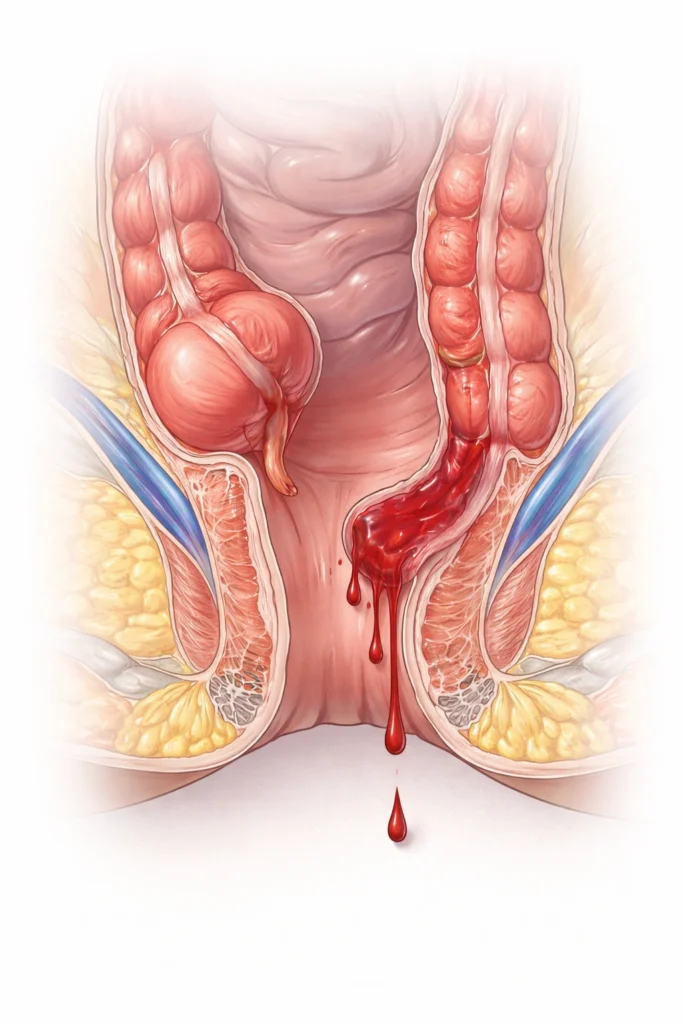
Rectal bleeding refers to the passage of blood through the anus, usually in or with the stool. It can range from bright red blood on toilet paper to dark stools. While not all cases are serious, rectal bleeding can sometimes signal more serious conditions, including colon cancer.
Why It Matters
Rectal bleeding should never be ignored—especially if it’s persistent or accompanied by changes in bowel habits or a change in stool appearance. These symptoms can occur at any age, including in individuals under 45, and may be early signs of colorectal cancer, one of the leading causes of cancer-related deaths worldwide. Early detection can make a significant difference in outcomes.
Common Causes
Hemorrhoids
Anal fissures
Diverticular disease
Inflammatory bowel disease (IBD)
Colon polyps or cancer
Signs and Symptoms of Concern
Persistent rectal bleeding
Blood mixed with or coating the stool
Unexplained weight loss
Fatigue or weakness
Change in stool shape or bowel habits
Diagnosis
Physical and rectal examination
Colonoscopy
Flexible sigmoidoscopy
Treatment
Treatment for rectal bleeding depends on the cause the cause of the bleeding. The most important step is to avoid normalizing it — rectal bleeding should always be evaluated by a healthcare professional to determine the underlying cause and appropriate treatment.