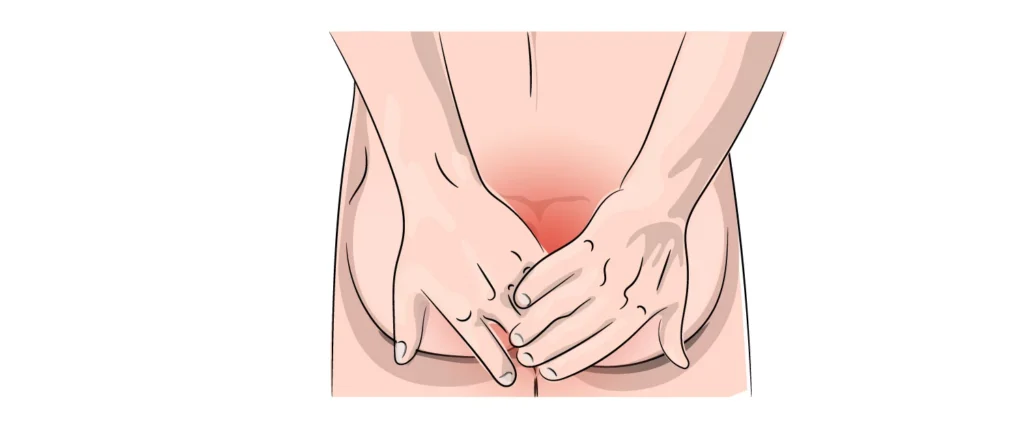
Anal itching, or pruritus ani, refers to persistent itching, irritation, or discomfort in the skin around the anus. It is a common symptom with many potential causes, including skin conditions, hygiene issues, infections, or gastrointestinal problems. In many cases, the itching is temporary and resolves with basic care, but chronic pruritus ani can interfere with daily life and sleep.
The itching may be worse at night or after bowel movements, and scratching often makes it worse, potentially leading to skin breakdown and infection.
Why it Matters
Anal itching is often overlooked but can be very distressing and lead to complications if not addressed. Persistent cases may indicate an underlying issue that requires medical evaluation, such as hemorrhoids, fungal infections, pinworms, or dietary triggers.
Common Causes
Excessive moisture or sweating
Inadequate or aggressive hygiene (e.g., over-washing or harsh soaps)
Hemorrhoids
Fungal or bacterial infections
Parasitic infections (e.g., pinworms, especially in children)
Skin conditions like eczema or psoriasis
Food irritants (spicy foods, caffeine, alcohol)
Diagnosis
Physical examination of the anal area
Review of hygiene habits and diet
Stool tests (for parasites)
Skin scrapings or swabs (for infection or dermatitis)
Treatment Options
Hygiene modification: Clean Gently After Bowel Movements
Use soft, unscented toilet paper
Wipe gently—avoid rubbing, which can irritate the skin.
If needed, use fragrance-free moist wipes or a bidet for more thorough cleaning.
Rinsing with warm water (via a bidet or peri-bottle) can help remove residue more comfortably.
Pat the area dry with a soft towel or allow it to air dry
Avoid Harsh Products
Stay away from scented soaps, wipes, or powders
These can disrupt the natural skin barrier and cause irritation.
Practice Good Bathing Habits
Wash the anal area daily with warm water and mild, fragrance-free soap.
Rinse thoroughly and dry completely.
Lifestyle: Maintain a high-fiber diet and drink plenty of water to prevent constipation and reduce straining
Barrier creams or zinc oxide ointments: To protect the skin
Antifungal or antibacterial creams: If infection is present
Antihistamines or topical steroids: For inflammatory or allergic causes
Dietary changes: Avoid common irritants if suspected