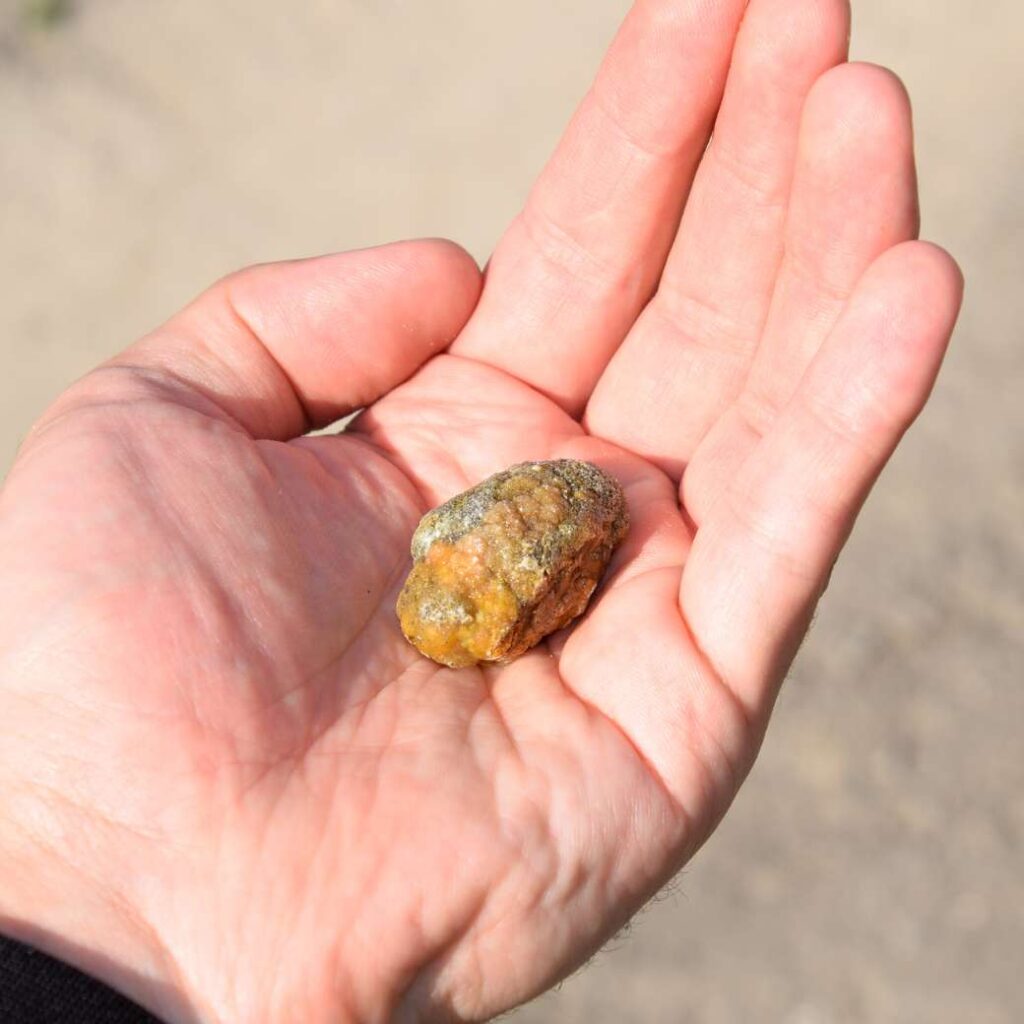
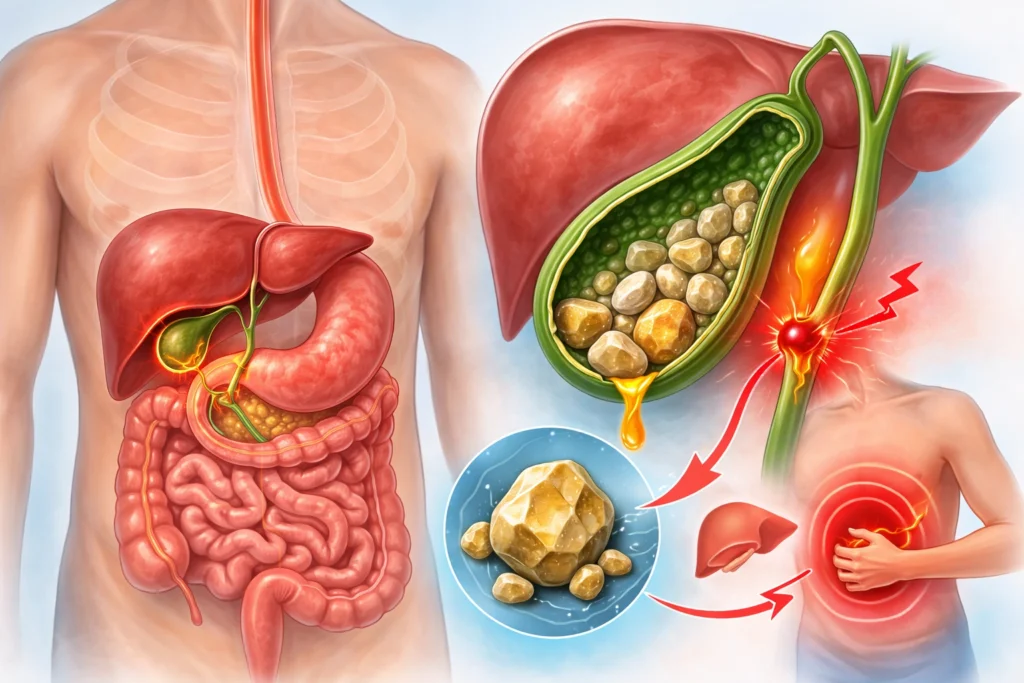
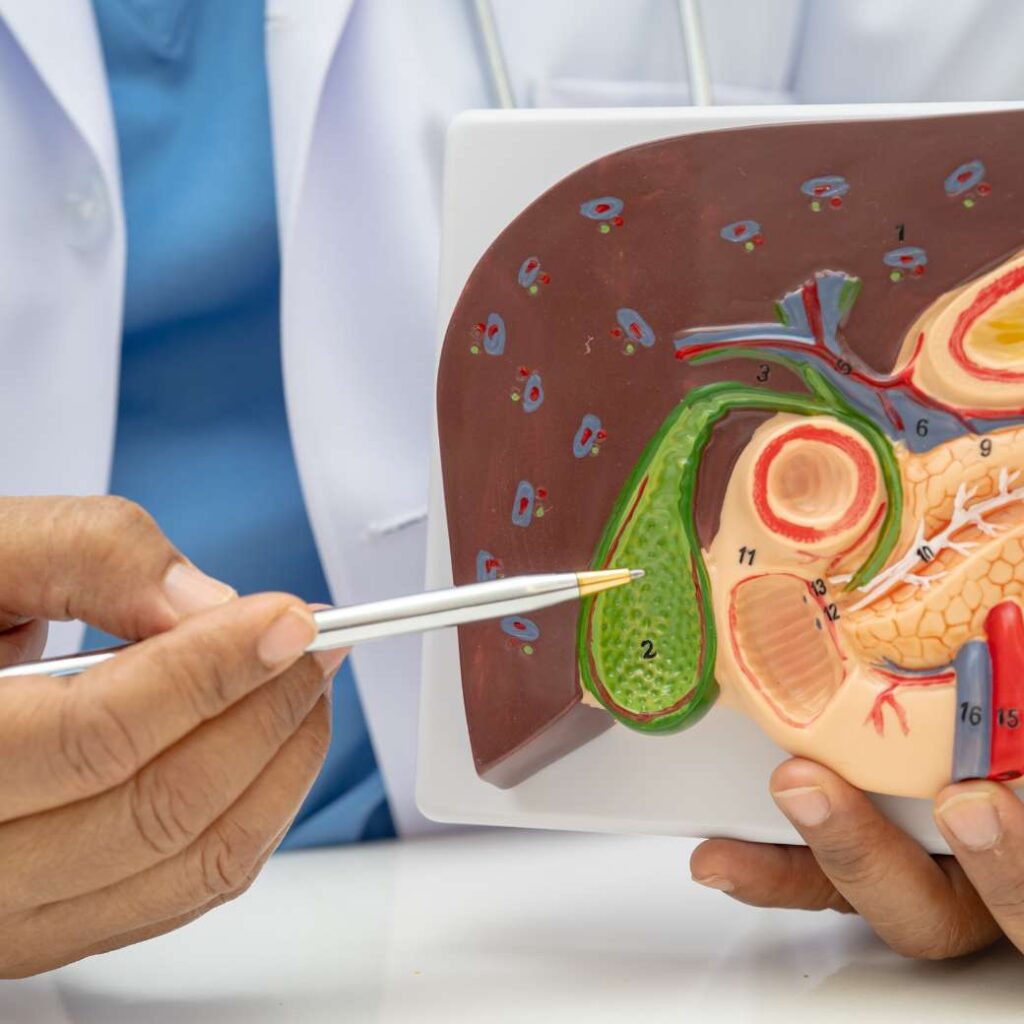
The gallbladder is a small organ located beneath the liver, and its main function is to store bile produced by the liver. This storage is essential, as when an appropriate stimulus is received (typically the consumption of meat or fats), it triggers the release of bile, a digestive fluid that helps break down and absorb dietary fats. Gallstone disease, also known as cholelithiasis, refers to the presence of one or more stones in the gallbladder. Gallstones are hardened deposits that typically form when there is an imbalance in the substances that make up bile, leading to the formation of stones that can vary in size, from small grains to large stones capable of filling the entire gallbladder.
Why It Matters
The majority of people diagnosed with gallstones are asymptomatic and are incidentally detected during imaging studies performed for other reasons. However, approximately 10% of patients may develop symptoms within 5 years, and around 20% within 20 years after diagnosis. It is important to recognize that symptoms caused by gallstones can be both chronic and episodic, known as biliary colic. Gallstone disease is common and may cause severe complications like cholecystitis (gallbladder inflammation), bile duct obstruction, and pancreatitis if untreated.
Signs and Symptoms
Sudden and intense pain in the upper right abdomen
Pain in the right shoulder or back
Nausea or vomiting
Indigestion, bloating
Risk Factors
Obesity is a main risk factor, as overweight or obese individuals tend to have elevated cholesterol levels, promoting the formation of cholesterol gallstones in the bile.
People over the age of 40
Individuals who experience rapid weight loss
People with diabetes
Women, especially during pregnancy or when using oral contraceptives
Genetics plays a significant role; patients with a family history of gallstones have a higher risk due to possible changes in bile composition.
A diet high in cholesterol, low in fiber, and rich in refined carbohydrates can contribute to the development of gallstones.
How is It Diagnosed?
Usually involves a combination of blood work and imaging, most commonly abdominal ultrasound.
Additional abdominal studies which may be used includes: